1. About Our Project, Our Place, and Our Inhabitants
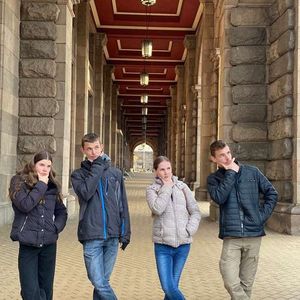
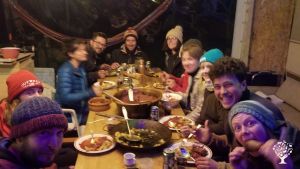
We are a lively and dedicated NGO community committed to living in harmony with nature. Our core team is made up of 7 permanent members, supported by 7-15 volunteers throughout the year. Our home is shared with a variety of animals, including playful dogs, invasive cats, a moody donkey, a miniature horse, noisy chickens, and buzzy bees.
Our project is centered around living sustainably and respectfully with the environment. Drawing inspiration from permaculture principles, we focus on diversifying production and offering an alternative to monoculture farming. We are advocates for biodiversity and aim to cooperate with nature, not exploit it. Our goal is to create a sustainable and autonomous system as an alternative to today’s self-destructive world.
Our model emphasizes high biodiversity, experimentation with new agricultural techniques, and the careful management of soil, water, and energy resources. We are transitioning from a monoculture olive oil production system to a polyculture approach, where humans live in collaboration with nature.
2. Volunteer Activities
Our daily activities are as diverse as our project itself. Because we prioritize autonomy and the production of a wide range of goods, no two days are the same—each one offers new challenges and learning opportunities! Tasks depend on the season, ongoing projects, and the needs of the animals and plants. You’ll need to be flexible and creative, as priorities often shift quickly. Here’s a glimpse of what you may be involved in:
Beware! Don't idealise farmlife: activities may involve hard physical jobs, cleaning, maintenance...
- Planting and Caring for Vegetables: From sowing seeds to tending to fully grown plants, there is a lot of attention needed. Tasks include transplanting, watering, pruning, attaching, and fertilizing.
- Tree Care: Mulching, pruning, watering, and harvesting. November is dedicated to the olive harvest, a key highlight of the season.
- Animal Care: Feeding and caring for our animals, such as sourcing food (hay, fruits, old bread, veggies), moving them to new grazing areas, and making sure they have fresh water. You may also help with milking our sheep.
- DIY Projects could range from repairing furniture to building a cob house or creating other eco-structures.
- Processing Homemade Products: Making cheese, yogurt, jams, drying fruits and vegetables, tomato sauce, pickling, and more.
- Composting and Mulching: An essential part of our farming system. We use a hot composting method with the help of our chickens, which requires turning and watering. We also prepare organic mulches and compost, adjusting the Carbon/Nitrogen ratio and making nutrient teas from nettles, comfrey, or manure.
- Shared Cooking and Cleaning: Cooking and maintaining shared spaces are part of our community living, with tasks rotated to ensure no one is overburdened.
3. A Typical Day for a WWOOFer:
We follow a flexible schedule depending on the season. Our working hours respect the WWOOF policy of a maximum of 4 hours per day. Typically, most work is done in the morning, leaving afternoons free for rest or personal projects. Weekends are off, so you’ll have time to unwind and explore.
4. Hobbies and Activities:
Beyond farm work, we enjoy a variety of activities! Free time can be spent relaxing, doing sports, hiking, biking, or enjoying creative projects. On weekends, you might also join us for sailing trips or explore the local beaches. The surrounding area offers stunning beaches to go swimming, or simply relaxing. There’s plenty to explore if you enjoy outdoor adventures!
5. A Few Practical Things to Know:
Public Transportation: Be aware that public transport in this area is limited, so having your own means of transport or being prepared to rely on carpooling with others is important.
Social Media: We use social media to promote our permaculture lifestyle. If this is something you disagree with, please reconsider your stay with us, as we need volunteers who support our work and vision without judgment.
Language: We host volunteers with a basic understanding of English, as it’s the common language used for communication.
Food: While we primarily cook vegetarian meals, we can’t guarantee vegan options, as we incorporate products from our farm, such as eggs and occasionally cheese. We encourage flexibility around food choices, but please note that vegan-specific meals may be difficult to accommodate.
Volunteer Stays: We welcome "Community Volunteers" for a minimum of 4 weeks. Longer stays are prioritized, but shorter stays may be considered—please check our website for details and email us to inquire. The olive harvest (October-November) is an exciting time to visit, and we host many volunteers during this period!
6. What We Need From You
- Commitment: We require a minimum stay of 1 month for "Community Volunteers" (there are other ways to join us, please refer to our website).
- Hard Work: Many of the tasks are physical, including agricultural work, animal care, and building projects. If you enjoy getting your hands dirty and working outdoors, this is the place for you! Otherwise, please reconsider!
- Simplicity: Our lifestyle is minimalist. Do not expect modern city life comfort!
- Passion: We are deeply committed to our mission, and we seek volunteers who share that same enthusiasm and dedication.
- Skills: Everyone is welcome to apply, but we may prioritize volunteers who can bring specific skills or knowledge to share with the community.
Some skills we are looking for are woodworking, plumbing, gardening, social media/content creation/web design... Feel free to mention any expertise you have when applying!
If you're ready to roll up your sleeves, immerse yourself in nature, and contribute to a meaningful project, Dio Pigadia is the place for you!
We look forward to having you join us and sharing our passion for sustainable living! Feel free to contact us if you’re interested in volunteering.
See you soon at the farm!
Read more
Learning opportunities
Vegetable farming
Poultry farming
Sheep or goat farming
Beekeeping
Meat processing
Vegetable or fruit preservation
Bakery
Green Building
Renewable energy production
Mechanics / tools / technology
Methods or systems
No-till farming
Permaculture
Regenerative agriculture
Host type
Production farm